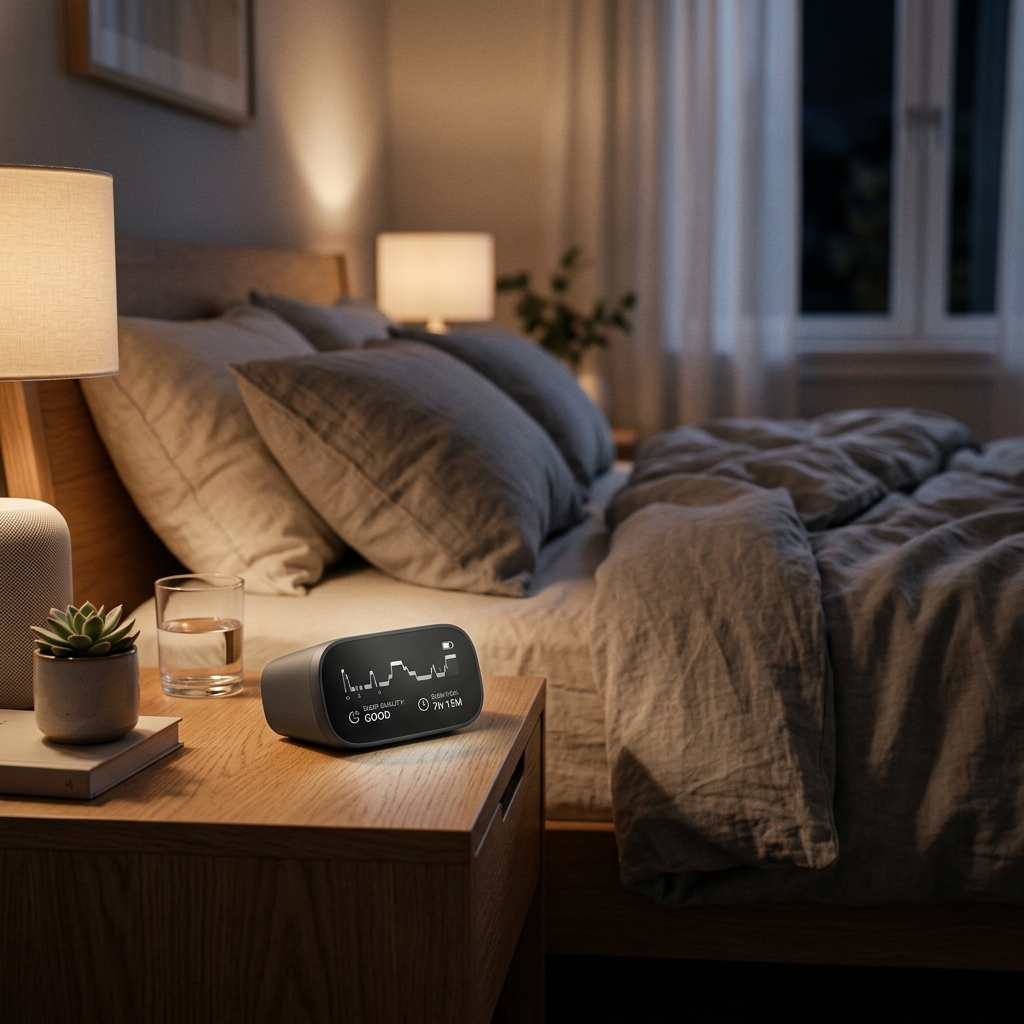
AI baby monitors have become one of the most emotionally loaded gadget categories of 2026. The pitch is obvious: better video, smarter alerts, sleep analytics, cry detection, covered-face warnings, and sometimes wearable heart-rate or oxygen data. For exhausted parents, that sounds useful. It can be, but it can also become expensive noise.
The sensible UK buying question is not "which monitor has the most data?" It is "which monitor gives the right kind of reassurance without turning bedtime into a dashboard?" This guide focuses on practical smart nursery tech that UK buyers can actually find, with clear limits around what consumer monitors can and cannot do.
Why AI Baby Monitors Are Timely in 2026
The newest smart monitors are moving beyond simple video streams. Products such as CuboAi Smart Baby Monitor 3 use computer-vision style alerts for covered-face and rollover detection, while Nanit Pro Camera is built around sleep tracking and an overhead cot view.
That matters because the old baby monitor job, hear a noise and check the room, has split into several jobs: seeing the cot clearly, knowing whether a cry is worth responding to, spotting changes in sleep patterns, and sharing access with another parent. AI is useful when it reduces false alarms or helps you understand patterns. It is less useful when it adds another subscription and a stream of alerts you cannot act on.
Best AI Pick for Most Smart-Nursery Buyers: CuboAi
The CuboAi Smart Baby Monitor 3 is the most obvious AI-first option for parents who specifically want smart alerts. Its appeal is the combination of a high-resolution camera, covered-face and rollover alerts, danger-zone alerts, cough and cry detection, and app-based sharing for family members.
CuboAi makes the most sense if your baby is still in a cot, you want app access, and you are happy with a Wi-Fi camera in the nursery. It is less attractive if you want a dedicated parent screen, hate cloud accounts, or know that frequent alerts will make you more anxious rather than calmer.
Choose CuboAi if covered-face, rollover, cry, and danger-zone notifications are the reason you want an AI baby monitor. Skip it if you only need reliable video and audio.
Best for Sleep Insights: Nanit Pro
The Nanit Pro Camera is better for parents who want a structured view of sleep, not just alerts. The overhead position gives a clear cot angle, and the app focuses on sleep patterns, routines, and night summaries.
This is useful if you are actively working on naps, wake windows, or bedtime consistency. It is overkill if you do not want to interpret graphs or keep a phone available as the main monitor. Also check what is included with the subscription period before buying, because smart-monitor value can change once a free trial ends.
Best for Parents Who Specifically Want Wearable Data: Owlet
The Owlet Dream Duo is a different proposition because the headline feature is the wearable sock. It adds pulse rate, oxygen, movement, and sleep information alongside a smart camera, which can feel reassuring for some parents.
The important caveat is that this is consumer nursery tech, not a replacement for safer-sleep guidance, medical advice, or adult supervision. No baby monitor should be bought as a SIDS-prevention device. Owlet is best for parents who understand that limit and still want the extra data layer.
The Sensible Alternative: A Hybrid Video Monitor
Not every family needs AI. A hybrid monitor such as the LeapFrog LF4917HD Smart Video Baby Monitor can be the better everyday buy because it includes a dedicated parent unit and still offers app access when remote viewing is useful.
This type of monitor is especially practical if you want grandparents or babysitters to use the system without installing an app, or if you do not want your main phone to become the nursery screen every night.
Final Verdict: Buy Reassurance, Not Anxiety
AI baby monitors can be useful when they solve a specific problem: smarter alerts, better cot visibility, sleep-pattern insight, or shared app access. They are a poor buy when the extra sensors simply give you more things to check at 3 a.m.
For UK buyers in 2026, CuboAi is the best AI-alert pick, Nanit Pro is strongest for sleep coaching, Owlet is the specialist wearable-data option, and a LeapFrog-style hybrid monitor remains the pragmatic choice for many homes. Start with how you want to monitor, phone, parent screen, or wearable data, then choose the product that adds the least friction.
Browse Practical AI Gadgets
Explore our curated catalogue of smart home, sleep, productivity, and family tech available to UK buyers.
Browse the Gadgets →