AI creator cameras are one of the most useful gadget categories of 2026 because they solve a boring problem: most people do not need a cinema camera, they need less shaky footage, better framing, clearer audio, and faster edits. The current generation of pocket gimbals, 360 cameras, smart glasses, and AI webcams is built around exactly that.
For UK buyers, the best choice depends less on specs and more on where the camera will actually live. A pocket gimbal belongs in a jacket pocket for travel and product demos. A 360 camera is for bikes, walks, property tours, and any moment where you want to reframe later. Smart glasses are for hands-free point-of-view clips. An AI webcam is for desk creators, tutors, consultants, and anyone whose camera is mostly used indoors.
Why AI Cameras Are Timely in 2026
Recent 2026 camera roundups have pushed creator-friendly devices such as the DJI Osmo Pocket 3 and Insta360 X5 into mainstream buying-guide territory, not just action-camera niches. At the same time, manufacturers are marketing AI features that are genuinely practical: subject tracking, auto-framing, low-light cleanup, gesture control, highlight selection, and app-based reframing.
This matters for small businesses as much as influencers. Estate agents, fitness coaches, tutors, tradespeople, Etsy sellers, conference speakers, and travel bloggers all need repeatable video without a separate camera operator. AI cameras are becoming the affordable operator.
Best All-Round Pick: DJI Osmo Pocket 3
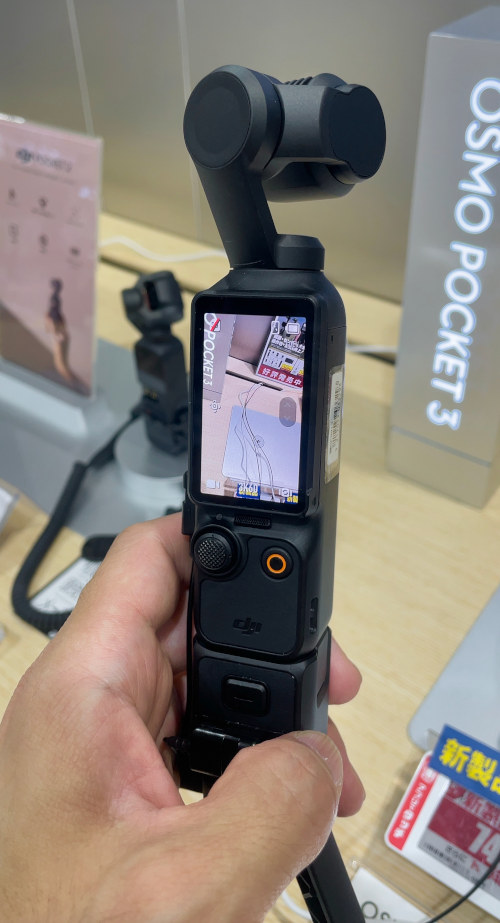
The DJI Osmo Pocket 3 Gimbal Camera is still the safest AI creator camera for most UK buyers. It combines a compact body, mechanical stabilisation, a larger 1-inch sensor, vertical and horizontal shooting, and ActiveTrack subject tracking that keeps people framed while they walk, present, cook, unbox, or demonstrate a product.
It is the best fit if your videos are mostly flat clips for YouTube, Instagram, TikTok, product pages, training material, or family travel. The footage looks more intentional than handheld phone video, and the tracking is useful enough to replace a basic tripod-and-phone setup.
You want polished talking-head clips, walk-and-talk footage, product demos, travel reels, or small-business video without carrying lenses, cages, and a full camera bag.
Best for Reframing Later: Insta360 X5
The Insta360 X5 is the more specialist but more flexible option. Its appeal is simple: record everything around you, then decide the angle afterwards. That makes it useful for cycling, hiking, skiing, property walkthroughs, vehicle shots, behind-the-scenes footage, events, and any creator workflow where you cannot reliably point a normal camera at the right thing in real time.
The AI angle is strongest in the edit. Insta360's app can help find highlights, reframe 360 footage, stabilise movement, and produce shareable flat clips from footage that would otherwise be tedious to process. It is not the camera to buy if you only film seated videos, but it is excellent when the scene is unpredictable.
360 cameras create larger files and more editing decisions. Buy one because you need impossible angles or reframing freedom, not because it looks more exciting on a spec sheet.
Best Hands-Free Option: Ray-Ban Meta Smart Glasses
The Ray-Ban Meta Smart Glasses are not a direct replacement for a camera, but they are useful for creator moments where taking out a phone changes the scene. They capture point-of-view photos and short videos, handle open-ear audio, and support voice-first assistant interactions while your hands stay free.
They are best for short-form travel, cooking, workshop clips, family days out, POV tutorials, and quick social posts. The limitation is context. Camera glasses need clear consent and common sense in private spaces, workplaces, schools, museums, gyms, and customer-facing businesses.
Best Desk Creator Upgrade: Insta360 Link 2
The Insta360 Link 2 - AI 4K Webcam is the practical choice for creators who rarely leave the desk. Its AI tracking, auto-framing, gesture control, 4K image, and noise-cancelling microphones make it useful for tutorials, webinars, client calls, online teaching, streaming, and product walkthroughs.
This is the quiet workhorse pick. It will not make travel videos, but it can make every call, course, livestream, and screen-recorded lesson look more deliberate without needing a mirrorless camera, capture card, and studio rig.
Do Not Ignore Audio
AI cameras improve framing, but weak audio still ruins video. If you film interviews, trade-show clips, lessons, or product explainers, add a dedicated mic or an AI recorder to the workflow. The Plaud Note AI Voice Recorder is not a camera accessory in the traditional sense, but it can turn briefings, interviews, and voice notes into summaries that become scripts, captions, and follow-up content.
Quick Comparison for UK Buyers
| Use Case | Best Fit | AI Feature That Matters | Main Caution |
|---|---|---|---|
| Travel vlogs and product demos | DJI Osmo Pocket 3 | ActiveTrack subject tracking and stable framing | Another device to charge and carry |
| Action, property, outdoor and event footage | Insta360 X5 | AI-assisted reframing and highlight editing | Large files and more post-production choices |
| POV clips and hands-free social posts | Ray-Ban Meta Smart Glasses | Voice control and quick first-person capture | Privacy, consent, and short clip limits |
| Courses, calls, streaming and tutorials | Insta360 Link 2 | Auto-framing, tracking, and gesture control | Indoor/desk use only |
AI Creator Camera Buying Checklist
Before You Buy:
- Pick the filming shape first: Flat video, 360 video, point-of-view, and webcam footage are different workflows.
- Check phone compatibility: AI editing apps and 360 exports can need a recent iPhone or Android phone to run smoothly.
- Budget for storage: 4K and 8K footage fills cards and drives quickly, especially with 360 video.
- Prioritise audio: Camera AI cannot fix muffled speech, wind noise, or a room echo after the fact.
- Respect recording rules: Wearable and 360 cameras can capture bystanders. Use them openly and follow venue policies.
Final Verdict: Which AI Camera Should You Buy?
For most UK creators, the DJI Osmo Pocket 3 is the best first buy because it improves the widest range of everyday footage with the least fuss. It is small, stable, easy to frame, and useful for both personal and business content.
Choose the Insta360 X5 if your shots are active or unpredictable, the Ray-Ban Meta glasses if your best clips happen while your hands are busy, and the Insta360 Link 2 if your content happens at a desk. The right AI camera is not the one with the biggest claim. It is the one that removes the editing and framing problem you hit every week.
As an Amazon Associate, we earn from qualifying purchases.